How To Get Your Novel Made Into A Film


Table of Contents
- Understand How Novel-to-Film Adaptations Really Work
- Make Your Novel More Adaptable (Without Ruining the Book)
- Get Your Publishing and Rights House in Order
- Create Industry Access: Agents, Producers, and the Right Pitch
- Negotiate Smart: Options, Shopping Agreements, and Protecting Your Career
- Frequently Asked Questions
Understand How Novel-to-Film Adaptations Really Work
If you want your novel made into a film, start by dropping the movie montage from your head.
No one reads your book on a sunlit bench, wipes away a single tear, then phones a studio and says, “Get me the author.” What happens, most of the time, is paperwork. Careful interest. Temporary control. More paperwork. Then a long stretch where nothing looks like progress.
This is good news, by the way. Once you understand the machinery, you stop taking the normal delays personally. You also stop signing things you do not understand because someone used the words “Hollywood” and “opportunity” in the same email.
Film rights vs book rights: what you’re licensing
Your book rights and your screen rights are separate buckets. Publishing deals cover the right to publish and sell the book in certain formats, in certain territories, for a certain term. Film and TV deals cover the right to adapt the story into an audiovisual project.
When someone wants to “buy the rights,” they are usually talking about one of two steps.
The option agreement (the handshake with a clock)
An option is paid, time-limited exclusivity.
A producer pays you an option fee to control the screen rights for a set period, often 12 to 18 months. During that window, you agree not to sell those rights to anyone else. In return, the producer gets time to develop and package the project. Packaging means lining up elements that make money people pay attention, a screenwriter, attachments such as a director or actor, a production company, maybe a financier.
Two points writers miss:
- An option is not a promise to make the film.
- An option is not the same as a purchase.
Think of it as someone paying to hold your place in line. They are betting the project can be set up. They are not betting their house.
Options often include renewal terms. Translation: if the producer needs more time, they can extend the option for another period by paying you another fee. The renewal fee might match the first option fee or increase. If it does not increase, ask why. Time has value.
The purchase agreement (the real sale)
If the producer succeeds in setting the project up, they exercise the option. That triggers the purchase. The purchase price is the money you receive for the rights, and it is often spelled out in the option agreement so there is no surprise later.
Purchase price structures vary. Some are a fixed amount. Some are tied to the budget. Some include bonuses for production, release, awards, sequels, series pickup. Your job is not to guess what’s normal. Your job is to know what you are signing and what must happen for money to move.
Also, pay attention to what rights are included. Film and TV rights are not a single blob. Agreements may try to scoop up:
- Feature film
- Television and streaming series
- Limited series
- Animation
- Remake rights
- Sequels and spinoffs
- Stage rights
- Games, podcasts, and other media
If you feel your eyes glazing over, good. That’s why you use an entertainment lawyer. More on that in a second.
Key players and their incentives (follow the motive, not the charm)
Hollywood is crowded with people who sound confident. Your safety comes from knowing what each person wants.
Producers
Producers are the engine. They find material, secure rights, hire writers, attach talent, raise money, and keep the project moving. Their incentive is simple: control a project they can set up and get paid for developing and producing.
A producer who options your book is not doing you a favor. They are doing their job. You should do yours.
Studios and streamers
Studios and streamers finance and distribute. Their incentive is reducing risk and increasing return. They want a concept that fits a market category, a budget range, and a programming need.
They also want reassurance. Reassurance comes from attachments, track records, audience proof, and clear positioning.
Production companies
Production companies sit between. Some are small. Some are effectively mini-studios. Their incentive is building a slate of projects they can sell, finance, or produce.
A production company’s name can open doors, or mean nothing beyond a logo. Look up what they have produced. Not what they have “in development.”
Agents (literary and film/TV)
Your literary agent sells books. Some also handle dramatic rights. Others bring in a co-agent who focuses on film and TV.
Agents are paid on commission. Their incentive is closing deals. A good agent also cares about your long-term career, but the business model still rewards transactions. You want someone who can negotiate well and who will tell you the truth when a “pass” is a pass.
Entertainment lawyers
An entertainment lawyer reads the contract the way a surgeon reads an X-ray. Their incentive is keeping you from signing a deal that locks up your rights for years, or gives away more than you meant to sell, or makes payment dependent on vague milestones.
A lawyer is not there to “make it happen.” A lawyer is there to protect what you own while it happens.
If you are paying attention, you see why “a producer sent me a contract” is not a celebration yet. It is a moment to slow down.
Showrunners (for TV)
If your book is heading toward a series, a showrunner is the person running the writers’ room and shaping the series. Their incentive is building a show that works episode to episode, under budget and on schedule, while keeping a network or streamer happy.
A showrunner will change your story if the series needs it. Take a breath. The medium is different. Your goal is to be treated fairly and credited properly, not to control every creative decision.
Why “made into a film” usually starts with an option
Because films are expensive and uncertain.
Even a modest feature involves development time, rewrites, attachments, scheduling, financing, distribution plans, and shifting market tastes. An option gives producers time to do that work while preventing someone else from buying the same rights midstream.
Here’s what this looks like in real life.
A producer loves your premise. They option the book. They hire a screenwriter. The screenwriter delivers a draft. Then the producer takes it out to buyers. Buyers respond with notes. Another draft happens. A director comes aboard. Then the actor attached gets another job. Then the buyer’s leadership changes and the new team wants different projects. Then the producer circles back six months later.
This is normal.
The option is the beginning of the conversation, not the end of the story. Plenty of books get optioned and never produced. That does not mean your book failed. It means the pipeline is ruthless and crowded.
So what should you want from an option?
- A clear time period.
- Clear renewal terms.
- A defined purchase price or purchase price formula.
- Reversion language so rights return to you when time runs out.
- Limits on what the producer controls, and what they do not.
If the contract language feels endless and slippery, it’s because it’s built to protect the buyer’s flexibility. Your job is to protect your ownership and your future ability to sell again if the project stalls.
What makes a project attractive (the stuff people pay for)
Film people talk about “cinematic.” Writers hear “big set pieces.” That’s part of it, but the real magnet is simpler: clarity.
Clarity sells. Confusion dies in meetings.
Here’s what tends to make a novel appealing to producers and buyers.
A marketable premise you can say out loud
If you struggle to describe your book in two sentences, a producer will struggle to pitch it in a room where everyone is checking their phone.
A marketable premise has:
- A protagonist with a concrete goal
- An obstacle with teeth
- Stakes people understand fast
Try this exercise. Say your premise to a friend who has not read your book. If you need five minutes of setup, your pitch is not ready. You do not need to change the novel. You need to learn to lead with the engine, not the wallpaper.
Clear genre and tone
“Genre-bending” is fun on the page. In film financing, genre is a category for audience expectations and budget logic.
Buyers want to know what they are buying. Horror? Thriller? Romance? Family adventure? Prestige drama? Comedy?
If your book is all of the above, pick the dominant lane for the pitch. You can still mention the secondary flavors, but lead with what the audience will feel.
Recognizable comps
Comps are shorthand. They tell people how to position the project, and what kind of audience might show up.
Good comps do two things:
- Signal tone and scale
- Prove there is a market nearby
Bad comps are flexing. “It’s Harry Potter meets The Godfather” makes people tired.
Pick comps that match budget level and audience. Also, pick comps people in the industry have heard of in the last ten years. You’re not writing a literature exam answer, you’re helping someone sell the idea to someone else.
A built-in audience, or proof of interest
Producers love audience proof because it lowers perceived risk.
This proof might look like:
- Strong sales, especially sustained over time
- Awards or shortlist placements
- A dedicated newsletter
- A loud niche following
- A publisher pushing the book hard
- Media coverage that is more than a single local interview
No platform? Plenty of projects still sell. But if you do have evidence, package it cleanly. One paragraph, not a scrapbook.
Adaptable scope
Some novels are beautiful and expensive. Ten locations, three continents, two wars, a dragon, and a cast of seventy speaking roles.
Film and TV people read with a budget brain. Adaptable scope means the core story survives translation to screen without requiring a production budget that scares everyone out of the room.
This does not mean you should shrink your imagination while writing novels. It means you should understand what you wrote, and be able to point to the version of the story that works on screen.
A good sign: if you can describe your story as a sequence of visible events driven by choices, you’re already ahead. A book built on internal reflection and subtle shifts in perception can be adapted, but it needs a screen approach from the start. Screen is behavior. Screen is decision. Screen is consequence.
Hold onto this principle and you’ll save yourself a lot of grief: the industry buys clarity, momentum, and a pitch that survives repetition. Your job, at this stage, is to understand the business terms and speak about your story in the language of decision-makers, without apologizing for the fact that you wrote a novel.
Make Your Novel More Adaptable (Without Ruining the Book)
You do not need to write your novel like a screenplay. Please don't. The world has enough novels where every chapter ends with someone slamming a door and growling, "We're running out of time."
What you do need is a clean, visible story engine. Something a screenwriter and producer can grab without unpicking your book stitch by stitch. Your job is to make adaptation easier, not to sand off what made the book worth reading.
Let's talk about how.
Clarify the cinematic core
When film people say "cinematic," they're often asking a blunt question: What happens?
A novel gets to live inside a mind. Film has to show behavior. If your story's power sits inside the narrator's interpretation of events, you're asking an adaptor to invent external action. Sometimes that works. Often it turns into a different story wearing your title like a borrowed coat.
Start with four things you should be able to state in plain language.
1) Premise at logline level.
Not your theme. Not your setting research. The premise.
Try this format:
- Protagonist: who we follow
- Goal: what they want, in concrete terms
- Opposition: what blocks them
- Stakes: what happens if they fail
- Time pressure: what forces movement
Example (made up, but you'll get the idea):
"After a disgraced ER doctor returns to her coastal hometown, she must expose the clinic falsifying patient records before a state audit in ten days destroys her last chance at reinstatement."
You can feel the forward pull. You can also picture scenes. Meetings. Confrontations. A ticking audit. That's the point.
2) Protagonist goal.
In novels, a goal can be emotional and still feel satisfying. On screen, a goal needs a shape. "Find peace" is hard to film. "Win custody," "clear their name," "get the money," "stop the wedding," "survive the weekend," those are easier to build.
If your book is driven by an internal need, give the adaptor the external handle. Often you already have one. You've simply been polite about it.
3) Stakes.
Editors talk about stakes in manuscripts all the time, and writers nod as if stakes are a separate ingredient you sprinkle on top.
Stakes are consequence. If the protagonist fails, what changes, and for whom?
Write your stakes in one sentence. No feelings words. Use outcomes.
Bad: "She might lose herself."
Better: "She loses her job, her housing, and access to her daughter."
4) A ticking clock.
Not every story needs a countdown timer with red numbers, but film loves time pressure because it gives structure.
If your novel already has one, lean into it in your pitch materials. If it doesn't, look for a natural deadline inside the story world. A trial date. A storm season. A pregnancy. A competition. A parole hearing. A visa expiring. A sibling's wedding. A sale of the family home.
You are not adding gimmicks. You are pointing a spotlight at the pressure that was already there.
Quick exercise: Write your story's "movie sentence." One line, no commas, under 35 words. If you hit 60, you are explaining, not pitching.
Identify what will change in adaptation
Adaptation is translation. Translation involves loss. It also involves new strengths. The problems start when you pretend your book will arrive on screen intact, like a cake in the mail.
Here are the usual pressure points.
Internal monologue
If your novel's pleasure is voice, an adaptor has to find a screen equivalent. Sometimes it's voiceover, but voiceover is a spice, not a meal. Overuse it and you get a film where the best parts are the parts you cannot see.
So what helps?
- Give your protagonist situations where their internal conflict forces a choice.
- Create dialogue setups where subtext does the work the narration used to do.
- Identify the two or three moments where a voiceover line would be essential, if any.
A simple test: underline the paragraphs in your novel where the narrator explains what a scene means. Those are the first things a screenwriter has to replace with action.
Multiple points of view
Novels handle multiple POVs with grace. Film either compresses them or turns them into separate storylines fighting for screen time.
If your book has five POV characters, ask yourself which one carries the main promise of the story. A producer wants to know who the film is about. "It's an ensemble" is fine when it's true, but plenty of "ensembles" are one lead plus several excellent supporting roles.
If you want to make adaptation easier, be able to name:
- The lead
- The primary relationship driving the plot
- The secondary characters whose scenes are essential, not decorative
This does not change your novel. It changes how you talk about your novel.
Subplots
Subplots are where novels get their texture. Films cut them for speed and coherence.
The brutal screen question is: does this subplot turn the main plot, or does it comment on the main plot?
Commentary subplots are often the first to go.
If you're prepping materials for adaptation, label each subplot in your own notes:
- Structural: without it, the ending breaks
- Character: it changes the protagonist's decisions
- Atmosphere: it adds richness but does not alter the outcome
You're not judging your own work. You're giving a producer a map.
Timeline complexity
Nonlinear timelines are common in books and screen, but screen has less patience for "wait, when are we?"
If your novel jumps around, consider what the viewer needs to track the story without footnotes. A screen version might:
- Move toward a mostly linear spine
- Merge flashbacks
- Limit time jumps to a repeating pattern the audience learns fast
You don't need to rewrite the novel in a straight line. You do need to be ready for the adaptation to simplify the structure.
If that idea stings, take comfort in this: simplification is not always dumbing down. Often it's focus.
Budget awareness, without thinking like an accountant
Writers hear "budget" and start censoring themselves. Don't. Your novel is your novel.
But when you're trying to sell adaptation rights, budget is part of the conversation whether you like it or not. Some books scream "expensive" in a way that narrows the buyer pool.
Here's what raises costs fast:
- Locations: constant travel, lots of distinct settings, hard-to-control environments
- VFX: monsters, magic systems, large-scale destruction, heavy de-aging, elaborate creature work
- Period settings: costumes, vehicles, architecture,
Get Your Publishing and Rights House in Order
Film interest has a funny way of arriving at the worst possible time. You’re on deadline. Your inbox is a landfill. Someone forwards an email from “a producer” with three exclamation marks and a request for your full manuscript “ASAP.”
Before you get starry-eyed, do the boring work. Rights are boring until they aren’t. If you do this now, you save yourself from the two classic author disasters:
- You sell something you do not control.
- You scare away serious people because your paperwork looks like a sock drawer.
Let’s keep you out of both.
Read your publishing contract like a suspicious person
Your publishing deal is not a single “book rights” blob. It’s a bundle of rights, each with its own value and consequences.
You’re looking for who controls, and who gets paid for:
- Dramatic rights (film, TV, streaming, stage, podcasts in some contracts)
- Audio rights
- Translation rights
- Merchandising and ancillary rights (games, comics, apparel, “interactive” versions, and other inventions from the future)
If you’re traditionally published, pull your contract and search for terms like:
- “Grant of rights”
- “Reserved rights”
- “Dramatic”
- “Motion picture”
- “Television”
- “Subsidiary rights”
- “Agency”
- “Licensing”
Here’s the key question: Did you grant dramatic rights to the publisher, or did you reserve them?
Many publishers want to control dramatic rights. Some authors and agents negotiate to retain them. Neither outcome means your book is doomed. It means you need to know who is steering the bus before you start honking at Hollywood.
A quick reality check: publishers are good at publishing. Some are also good at licensing. Some are not. You do not want to learn which kind you have while a producer is waiting for an answer.
Watch for the “we control it, but…” language
Contracts often say the publisher has the right to license dramatic rights, then describe how money is split. Sometimes the split is fine. Sometimes it’s a slow leak.
Also look for:
- Term and reversion clauses. When do rights revert to you? What triggers reversion? Out of print definitions vary, and “available in any edition” has trapped plenty of authors in perpetual limbo.
- Approval and consultation language. Publishers rarely give you approval over adaptation deals. They might promise “consultation” or “good faith.” Those words are soft. Know what you have, and don’t assume.
- Option matching rights. Some contracts let the publisher match any dramatic offer you receive. Sounds fair. It can also slow everything down.
If you read this and feel your brain fogging over, good. That means you’re normal. This is where an agent or publishing attorney earns their keep, because you need someone who reads contracts all day and enjoys it in the way some people enjoy crosswords.
If you’re querying agents or signing a deal, plan your rights strategy early
Writers often treat film rights as dessert. First you get the book deal, then you worry about Hollywood.
The problem is: film rights get decided in the book deal. If you hand them over without thinking, you might spend the next decade asking permission to benefit from your own story.
Two practical moves, depending on your situation:
Try to retain film and TV rights
If you have leverage, meaning multiple offers, strong platform, proven sales, a hot submission, you can push to retain dramatic rights. Your agent will know when this is realistic.
If you do retain them, make sure the contract language is clean. “Reserved rights” should be explicit. Ambiguity breeds fights.
If you can’t retain them, negotiate guardrails
Sometimes the publisher will not budge. Fine. Get guardrails.
Look for:
- Clear reversion triggers for dramatic rights, separate from the book’s in-print status if possible.
- Reasonable time frames for the publisher to act on adaptation opportunities.
- Defined approval steps for deal terms, or at least meaningful consultation. You want to avoid being informed after the fact.
- Transparent accounting for subsidiary rights income, including timelines for payment and reporting.
If your publisher controls dramatic rights, ask who handles those deals. Do they have an in-house rights team? Do they use a film co-agent? Do they have a track record? You’re not being difficult. You’re being employable.
Understand commission splits so you don’t panic later
Adaptation money often arrives in pieces: option fee now, purchase price later, bonuses later, backend later, and “later” sometimes means never.
Before you sign anything with anyone, learn the commission chain.
Typical players:
- Literary agent: often takes 15 percent on publishing income, and sometimes on subsidiary rights too, depending on your agency agreement.
- Film/TV co-agent: some literary agencies partner with a film rights agency. That co-agent takes a cut for placing the project.
- Entertainment lawyer: often billed hourly, sometimes on a negotiated basis for specific deals. Lawyers generally do not work on percentage like agents, and if one proposes it, ask questions.
The part that surprises authors is double-dipping. Example scenario:
- Producer pays an option fee.
- Publisher controls dramatic rights and takes their contractual split off the top.
- Your agent takes commission on your share.
- A film co-agent also takes commission, depending on the arrangement.
None of this is automatically wrong. It does mean you should ask for the math in writing. A reputable agent will explain it without acting offended.
If someone refuses to explain their commission structure, you have learned something useful about them.
If you’re self-published, your rights house still needs a foundation
Self-publishing gives you control. It also gives you responsibility. Film people care about one phrase more than your five-star reviews:
Chain of title.
Chain of title means you can prove you own what you’re selling, and you did not borrow anything you cannot legally borrow. Producers and studios do due diligence. If your chain of title is messy, they walk, because no one wants a lawsuit attached to a project.
Here’s where self-published authors get tripped up.
No borrowed lyrics, quotes, or brand-heavy “color”
You know that epigraph from a famous song? The one you thought was a harmless nod? Not harmless.
Same goes for:
- Long quotes from copyrighted works
- On-the-nose use of trademarked brands in ways that imply endorsement
- Real people portrayed in ways that invite legal trouble, unless you have releases or the portrayal is clearly protected and vetted
A novel can sometimes slide by. A film cannot. Films have errors and omissions insurance, and insurers ask questions.
Clear co-author and contributor agreements
If you co-wrote the novel, or if you used a collaborator, ghostwriter, illustrator, or sensitivity reader who contributed text in a meaningful way, get the paperwork straight.
You want signed agreements stating:
- Who owns the copyright
- Who controls dramatic rights
- How income is split
- Who has authority to sign deals
Handshake deals are adorable until money shows up.
Register copyright where relevant
In the US, copyright exists when you write the work, but registration strengthens your ability to enforce it and collect statutory damages. If you plan to play in industries with lawyers, formal registration is a sensible step.
If you’re outside the US, check your country’s process. Either way, keep dated drafts and publication records.
Document permissions for sensitive material
If your book includes:
- Private letters or journals
- Real case files
- Interview material
- Material from a workplace with confidentiality rules
Collect permissions and keep them in a folder. You do not want to rely on memory when someone asks, “Do we have the right to use this?”
Build an adaptation-ready rights packet (so you look like a professional)
When someone expresses real interest, speed matters. Serious people move fast, and they want clean information. A rights packet helps you respond without sending frantic midnight emails titled “RE: RE: RIGHTS???”
Your packet does not need fancy design. It needs clarity.
Include:
- Book details: title, series info, publication date, publisher or imprint, ISBN, formats available
- Rights status: who controls dramatic rights, and any existing options or prior submissions
- Sales data: total units sold, recent sales trend, territories, notable retailer performance, audiobook numbers if strong
- Audience metrics: newsletter subscribers, social reach, reader community size, engagement stats you can back up
- Critical support: endorsements, starred reviews, awards, shortlistings
- Press: major interviews, features, festival appearances, podcasts, reputable coverage
- Logline and short synopsis: one or two tight paragraphs, plus a one-page synopsis if you have it ready
- Comparable titles: two or three, with one-line positioning for each
- Contact info: your agent, your rights contact at the publisher, your entertainment lawyer if you have one
Keep it factual. No hype. No “the next big thing.” Let the numbers and the story do the work.
One more tip from someone who has watched writers sabotage themselves with enthusiasm: put everything in one place. A single PDF plus a folder of supporting screenshots or links works well. Make naming consistent. “BookTitle_RightsPacket_2026-02-03.pdf” beats “final_final_ACTUALfinal2.pdf” every day of the week.
A small gut-check before you send anything out
If a producer asks for your full manuscript and you’re not represented, pause. Ask who they are, what they’ve made, and who their lawyer is. Ask how they handle submissions. Track what you send and to whom.
Professional producers expect professionalism back. If someone pushes you to skip steps, rush, or keep it secret, protect yourself. The book is your asset. Treat it like one.
Create Industry Access: Agents, Producers, and the Right Pitch
You do not “submit to Hollywood” the way you submit to an agent. There’s no central inbox where your novel gets stamped RECEIVED and sent to a committee of people in sunglasses.
Access is a chain. Your job is to find the next link you can reach without making a mess.
That starts with a blunt question: who is going to open the right door for you, and why would they bother?
Pick the route that fits your situation, not your fantasy
Most writers waste time chasing the route that sounds coolest, instead of the one that matches their current leverage.
Here are the three common paths.
A literary agent with film connections
If you have a solid literary agent, start there. Not because your agent is a magical portal, but because:
- they already represent you
- they know your contract and rights situation
- they know how to present material without burning bridges
The phrase you want is “film co-agent” or “dramatic rights partner.” Many agencies work with a specialist who handles film and TV submissions. Your agent stays involved, the co-agent does the industry targeting.
What you should ask your agent, plainly:
- Who handles your dramatic rights right now?
- If an offer comes in, who negotiates, and who reviews the paperwork?
- What projects like yours have they placed in the last two years?
If the answers are fuzzy, that does not mean your agent is bad. It means film and TV might not be their lane. Better to learn that early than after you forward a producer email and hear, “Who is this person?”
A film/TV rights agent or co-agent
Some authors seek a film or TV rep separately, especially if they are self-published, between agents, or sitting on a book that already has heat.
A specialist earns their cut by knowing:
- which producers buy in your genre
- what those producers are looking for this quarter
- who responds to an email and who never does
- how to package material with talent, directors, or writers
That last point matters. A producer often wants a project with a path, not a book floating in space. A rights agent helps create that path.
Your side of the bargain is simple. Bring something sellable:
- a clean rights situation
- a strong premise
- proof readers show up for your work, or a clear reason a producer would care anyway
If you do not have proof yet, your pitch and positioning need to do more lifting. We’ll get to that.
Direct producer outreach (usually indie), with protection
Yes, you can contact producers yourself. Plenty of deals start with a polite email to an indie producer who is hungry for material.
The risk is not rejection. The risk is confusion, bad paperwork, and sending your novel to someone who has no track record and too much confidence.
If you go direct, keep three rules:
- Target producers who have made things in your genre and budget zone. Credits matter. A short film in 2011 and a “project in development” do not count as much as people pretend.
- Do not send the full manuscript as the first move. Send a logline, a tight paragraph, and a one-page synopsis if requested. Offer the manuscript after they respond with real interest.
- Loop in an entertainment lawyer when deal talk starts. Not when you’re “about to sign,” but when someone says “We’ll send an agreement.”
Producers who know the business will respect this. Producers who don’t will pressure you to skip it. Let that pressure answer your question.
Your pitch is not a book report. It’s a buying argument.
Busy decision-makers do not want your theme. They want to know what the movie or series is, who it’s for, and why anyone would pay to watch it.
So your pitch needs three parts, clean and fast.
1) A logline with a clear engine
A logline is one sentence. Two at most. It names the protagonist, the goal, the obstacle, and the stakes.
Weak loglines summarize the setup and stop.
Strong loglines show the engine, the thing that keeps the story moving for two hours.
Try this mini-exercise. Fill in the blanks:
- When [inciting incident] forces [protagonist] to [goal], they must [action] before [deadline], or [stakes].
Now read your sentence and ask: would a producer see scenes? Or would they see a concept poster and nothing else?
Also, avoid character soup. One protagonist. One main goal. If your novel has multiple points of view, pick the lead for pitching purposes. You can explain complexity later. Earn the right to be complex.
2) A short hook paragraph that signals tone, genre, audience
After the logline, you get one short paragraph to answer, “What am I watching?”
This is where you tell us:
- the genre, without being coy
- the tone, without using five adjectives
- the audience, without saying “everyone”
Example structure:
- Open with the protagonist in motion.
- Name the central conflict and the main opposition.
- End with the choice or escalation that promises a third act.
Keep names to a minimum. Two named characters in a hook paragraph is plenty. More than that, you turn your pitch into a seating chart.
One practical test: if your paragraph has three “ands,” you’re listing. Cut and choose.
3) A “why now” that is specific and restrained
“Why now” does not mean “because my book is good.” It means, “Here is why this project fits the current appetite.”
Good “why now” angles look like:
- A trend in what audiences are watching, in plain terms.
- A timely topic, without turning your pitch into an opinion piece.
- A clear gap, meaning this scratches an itch the market keeps reaching for.
Bad “why now” angles look like:
- “It’s relevant.” Relevant to what?
- “It’s important.” Important does not sell tickets.
- “It’s unlike anything.” No executive believes that.
Keep it to two sentences. You’re giving context, not making a speech.
Comps: your secret weapon, if you use them like an adult
Comparable titles are not there to brag. They are there to help someone price your story in their head.
You want comps that signal:
- tone and genre
- audience
- scope and budget
- format, film versus series
Choose two or three. Mix mediums if it helps. One film or series plus one novel is a common pairing.
Rules I wish every writer followed:
- Pick comps people have heard of, but not the top five of all time. If you comp your debut thriller to Gone Girl, you’re asking to be ignored.
- Use recent comps when possible. Last five to ten years is a safe range.
- Explain the comp in a single line. “X meets Y” is fine if it’s accurate. If it’s cute, cut it.
A clean comp line sounds like:
- “A contained survival thriller with the moral squeeze of [Title], aimed at the same audience as [Title].”
Notice what’s missing. Plot soup. Hype. Desperation.
Where traction comes from, and how to use what you have
Traction is proof someone besides your mom wants this story. The type of proof depends on how you published.
Traditional publishing visibility
If you have:
- strong reviews
- prizes or shortlistings
- bestseller list appearances
- notable blurbs
- foreign rights activity
Put those front and center, but keep the language factual. Producers love signals. They hate fluff.
Also, use the right numbers. “Bestseller” means different things in different contexts. If you hit a list, name the list. If you sold a lot, give a rounded figure and a time frame.
“Over 80,000 copies sold in the first year” is useful.
“Selling well” is a shrug.
Self-publishing proof
Self-pub traction is often stronger than trad authors realize, when you present it well.
Useful proof includes:
- consistent sales over time, not one spike
- a large newsletter with high open rates
- strong audiobook performance
- social reach tied to conversion, not views
- evidence of a fanbase that shows up on release day
If BookTok helped, say so, then back it up with something solid. A producer has seen a thousand viral clips. They want to know if people bought the book after watching them.
One extra tip: if you write in a series, show read-through. A property with a loyal audience has value, even if the first book isn’t a monster hit.
Screenwriting competitions, pitch events, reputable markets
These are tools, not lottery tickets.
Competitions and pitch events help when:
- the program is known in the industry
- finalists and winners have a track record of signing reps or getting reads
- you use the placement as a door-opener, not a personality trait
Be selective. The internet is full of pay-to-play “awards” with impressive graphics and no impact.
Also, understand what you’re entering. Many screenwriting competitions want screenplays, not novels. If you adapt your own book into a script, great, then you’re playing their game. If you enter a novel into a screen event, make sure the event is built for IP and rights, not pages formatted in Courier.
A simple outreach approach that keeps you sane
If you’re reaching out to agents, co-agents, or producers, keep your email short.
Subject line options:
- “Dramatic rights: [TITLE] (published thriller, [notable credential])”
- “Query: film/TV rights for [TITLE], [comp], [metric]”
Email body structure:
- One sentence: who you are and what the project is.
- Logline.
- Hook paragraph.
- Proof, two bullets. Sales, awards, platform, reviews.
- Rights status and availability.
- Offer materials. “One-page synopsis and manuscript available on request.”
If someone bites, respond quickly. If someone passes, do not argue. Keep a submission log. Date, name, company, response. Your future self will thank you.
And one last, quiet truth. Access is built on professionalism. You don’t need to sound like an insider. You need to be clear, prepared, and easy to work with. That combination is rarer than you think.
Negotiate Smart: Options, Shopping Agreements, and Protecting Your Career
The deal stage is where writers tend to get starry-eyed and start agreeing to things they do not understand. I get it. Someone wants your book. Someone used the word “studio” in an email. Your group chat is already planning outfits for the premiere.
Take a breath.
Most novel-to-screen deals begin with paperwork designed to buy time, not to guarantee a movie. Your goal is simple: get paid fairly, keep your rights from getting stuck, and protect your future self from a contract you signed on a Tuesday night.
The two deal shapes you’ll see most often
Option agreement: paid exclusivity with a clock
An option means a producer or company pays you for the exclusive right to try to set up your project for a set period. If they succeed, they buy the rights under pre-agreed terms. If they fail, the rights revert to you when the option expires.
Think of the option fee as rent. Think of the purchase price as the sale.
A basic option has:
- an initial term (often 12 to 18 months)
- one or more renewal terms
- an option fee for each term
- a purchase price if the project goes forward
Writers get tripped up because they focus on the purchase price, which might never arrive. The option period is where your book sits in limbo, so the length and renewal structure matter as much as the money.
If a producer wants a long option for a low fee, they are asking you to park your property while they figure out their next steps. Sometimes that is a fair trade. Often it is lazy shopping with extra paperwork.
Shopping agreement: permission to shop, usually without exclusivity
A shopping agreement gives a producer the right to take your book out to buyers and attach interest, often without paying much upfront. Sometimes there’s no exclusivity. Sometimes there is limited exclusivity. The idea is, “Let me try to set this up, then we’ll talk option or purchase.”
Shopping agreements can be useful when:
- the producer has real relationships but limited cash
- the timeline is short and clearly defined
- you want activity without locking up rights for long
Shopping agreements go bad when the producer wants option-like control with shopping-agreement money. If they ask for exclusivity for a year with no meaningful fee, you are giving away the same leverage an option buys.
Terms you should watch like a hawk
You do not need to become an entertainment lawyer. You need to know where writers get hurt. Here are the usual pressure points.
Option length and renewal fees
Start with the calendar. How long is the initial term? What triggers renewal? Is renewal automatic if they pay, or do you have to agree again?
A few practical notes:
- Shorter is safer. A year moves fast in film and TV, and slow in your career.
- Renewal should cost more than the first term. Otherwise there is no incentive to move.
- Define what “payment” means. Wire received, not “check in the mail.”
Ask for clarity on what happens if they miss a deadline by a week. Some agreements quietly allow “cure periods” where they get extra time. Sometimes that is fine. Sometimes it turns your one-year option into fourteen months.
You want your rights back on schedule if nothing happens.
Purchase price: what you get paid if it goes forward
The purchase price is the amount due when the producer exercises the option and buys the dramatic rights. You’ll see a few structures:
- a flat figure
- a percentage of the production budget, often with minimums and maximums
- a mix of both
If the price is tied to budget, you need to know how “budget” is defined. There are several kinds of budgets in film and TV, and the definition in the contract is the only one that matters.
Also watch the payment schedule. Part on exercise, part on first day of principal photography is common. You want to know what happens if the project sets up and stalls again.
Backend, bonuses, and “net profits”
Everybody loves the idea of backend. Writers picture a waterfall of checks. Then they learn what “net profits” means.
If you see “net profits” without specifics, treat it as a nice sentiment, not income you should plan around. If the deal offers a bonus structure, push for language tied to events you can verify, like:
- commencement of principal photography
- release on a major platform
- series order
- season renewal
These are clean triggers. “Profit participation” is often a fog machine.
Credit and consultation: your name, your seat at the table
Credit is not vanity. Credit affects future work, speaking opportunities, and how people find you.
For novelists, you’ll often see credit along the lines of:
- “Based on the novel by [Name]”
- “Based on the book by [Name]”
Make sure the exact wording is in the agreement, along with where it appears. Main titles, end credits, advertising, paid ads, trailers, posters. Each is a separate ask.
Consultation is another area where writers get sold a dream. Approval over changes is rare. If you ask for approval, expect a fast no.
Aim for consultation rights you can use:
- a right to read the screenplay or pilot draft for comment
- a call with the writer or producer at a defined stage
- a commitment to consider your notes in good faith
You are not buying control. You are buying access and respect, in writing.
One more thing. If they offer you a producer credit, slow down and read the fine print. Some producer credits come with obligations, or are purely honorary. Neither is bad, but you should know which one you’re accepting.
Sequel, remake, spinoff, and “universe” language
This is where a single book quietly becomes a lifetime grab.
Look for clauses covering:
- sequels and prequels
- remakes
- spinoffs
- series based on side characters
- merchandising and ancillary rights
- interactive, podcast, stage, audio drama
You might be happy to include some of these, for the right money and terms. The problem is when the deal tries to take everything by default.
If you wrote a standalone novel and the agreement claims rights to “all characters and all elements in perpetuity in all media now known or hereafter devised,” you’re not signing a film deal. You’re donating an IP estate.
Rights of first negotiation and reversion triggers
A right of first negotiation sounds harmless. “If we want to do more, we talk to them first.” Fine. In practice, it can slow you down if it’s written broadly and lasts forever.
You want limits:
- a defined time window to negotiate
- a clear scope, meaning which specific rights or which specific works it covers
- a clear end date
Reversion language is your eject button. If the project does not move, you want the rights back automatically, without a fight, without “mutual agreement,” without chasing signatures for months.
Practical safeguards that save careers
Use an entertainment lawyer for contract review
Even if you have an agent, get an entertainment lawyer to review the agreement if you can. Agents negotiate. Lawyers interpret and protect.
A contract is not the place to rely on optimism. People in film and TV are often decent, and the business still runs on contracts written for worst-case scenarios.
If money is tight, ask for a limited-scope review. Many lawyers will do a straight redline and a call. You do not need a full-service legal team to avoid the common traps.
Do not send full manuscripts without a paper trail
Producers and reps are busy. Materials get forwarded. Assistants change jobs. Email chains get messy.
Keep your submissions trackable:
- send a query email first
- provide a one-page synopsis or pitch deck if requested
- send the full manuscript only after a written request
- keep a simple log: who, when, what you sent, what they said
NDAs are not standard for unsolicited material. If someone refuses to sign one, that does not automatically mean they’re shady. The “paper trail” you control is your submission history and clear email consent to review the work.
Also, if someone asks you to post your manuscript to a public link with no password, say no. Use a private link with access control.
Keep writing the next book
This is the part no one wants to hear. Options take time. Many expire. Many renew once, then expire. Some get stuck in development for years.
If you stop writing while you wait, you trade a real career for a maybe.
The best position in any negotiation is momentum. A new book. A growing audience. Another deal in motion. When your career is moving, you do not cling to one screen opportunity like it’s the last helicopter out.
And here’s the quiet bonus. Producers like writers with a body of work. It signals you’re not a one-title miracle. It gives them more doors to open.
A quick reality check before you sign
Before you agree to anything, ask yourself three questions:
- Do I understand what rights I’m granting, for how long, and in which media?
- Do I know what I get paid, when I get paid, and what triggers payment?
- If nothing happens, do my rights come back cleanly and on time?
If you cannot answer those in plain language, pause. Get help. Ask for revisions. A decent producer would rather you sign with confidence than sign in confusion and regret it later.
Frequently Asked Questions
What is the difference between an option agreement and a purchase agreement?
An option agreement is paid, time‑limited exclusivity: a producer pays you to hold the screen rights for a defined period so they can develop and package the project. The option is not a promise to make the film; it buys time and exclusivity.
A purchase agreement (exercise of the option) is the actual sale of the dramatic rights under agreed terms. For useful long‑tail clarity, read “how does an option agreement work” as two stages: option (rent) then purchase (sale), each with distinct fees and triggers.
Should I retain film and TV rights in my publishing contract?
It depends on your leverage. If you have strong sales, competing offers, or an agent willing to negotiate, retaining dramatic rights gives you control and future negotiating power. If the publisher insists on those rights, negotiate clear reversion triggers and consultation guardrails.
Put another way, ask “should I retain film and TV rights in my publishing contract” early in negotiations so you avoid finding out mid‑deal that your dramatic rights were already granted away.
What is chain of title and why does it matter for self‑published authors?
Chain of title is the documented proof that you own the copyright and have the right to licence the work. For self‑published authors this means clear contracts for collaborators, permissions for quoted material, and dated drafts or registrations to prove authorship.
Producers and insurers conduct due diligence; a messy chain of title will stop a deal. If you search “chain of title for self‑published authors” you’ll find it’s primarily about paperwork: signed agreements, copyright registration where relevant, and permissions for any third‑party content.
What should I include in a rights packet when a producer asks?
A rights packet should be a single, factual bundle: title, publication details, rights status (who controls dramatic rights), concise sales or platform metrics, a logline and one‑page synopsis, comps, and contact info for your agent or publisher. Keep it short and evidence‑based—producers want clarity, not hype.
For “how to prepare a rights packet for producers,” include a one‑page summary plus a single PDF with supporting screenshots or sales figures. Name the file sensibly and make sure the chain of title information is easy to find.
How do I pitch a producer or agent without sending the full manuscript?
Start with a tight logline, a short hook paragraph signalling genre and tone, two bullets of proof (sales, awards, audience metrics), and a note on rights availability. Offer the manuscript only after they request it in writing. This protects your work and screens out casual enquiries.
If you need a long‑tail phrase: “how to pitch producers without sending full manuscript” boils down to giving them a clear buying argument—logline, hook, comps and a rights status—then providing the full text on request under controlled terms.
Which clauses in an option or shopping agreement should I watch closely?
Key clauses are option length and renewal fees, purchase price definition and payment triggers, reversion language, scope (which media and sequels are included), and credit/consultation terms. Also beware of broad “in perpetuity” language and vague rights of first negotiation that can tie you down indefinitely.
For targeted searches like “what to watch in an option agreement renewal fee,” insist renewal fees rise and reversion triggers are automatic if milestones aren’t met. A lawyer’s redline on these points is worth the cost.
Can I ask for consultation or credit, and what is realistic to expect?
Credit is commonly negotiable in precise wording (for example “Based on the novel by…” and placement in main titles or end credits). Consultation rights are usually modest: the right to read drafts, provide comments or have a call at defined stages. Full creative approval is rare for novelists.
Frame your requests as practical protections rather than demands. Ask for specific, realistic consultation steps and clear credit language, and make sure those expectations are written into the agreement so you’re not bargaining over vague promises later.
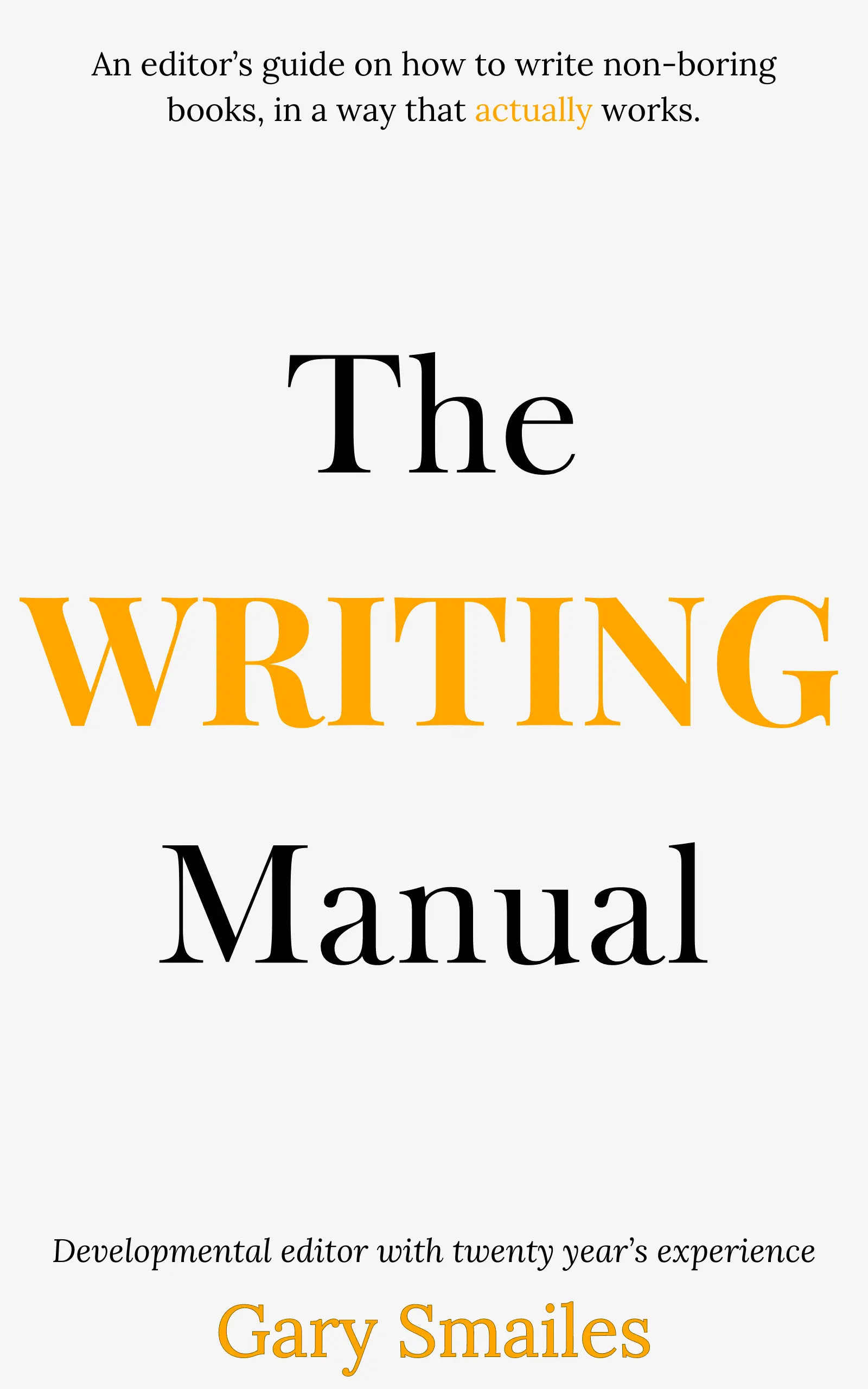
Download FREE ebook
Claim your free eBook today and join over 25,000 writers who have read and benefited from this ebook.
'It is probably one of the best books on writing I've read so far.' Miz Bent